

Godot 4.7's HDR output: fix blown-out GLB emissive materials
Godot 4.7's HDR output exposes emissive GLB materials tuned for old SDR clamping — check these values before you ship, or highlights blow out.
31 articles tagged architecture. Tutorials and workflow notes for getting 3D assets into Unity, Unreal Engine 5, Godot 4, and Blender.
Godot 4.7's HDR output exposes emissive GLB materials tuned for old SDR clamping — check these values before you ship, or highlights blow out.
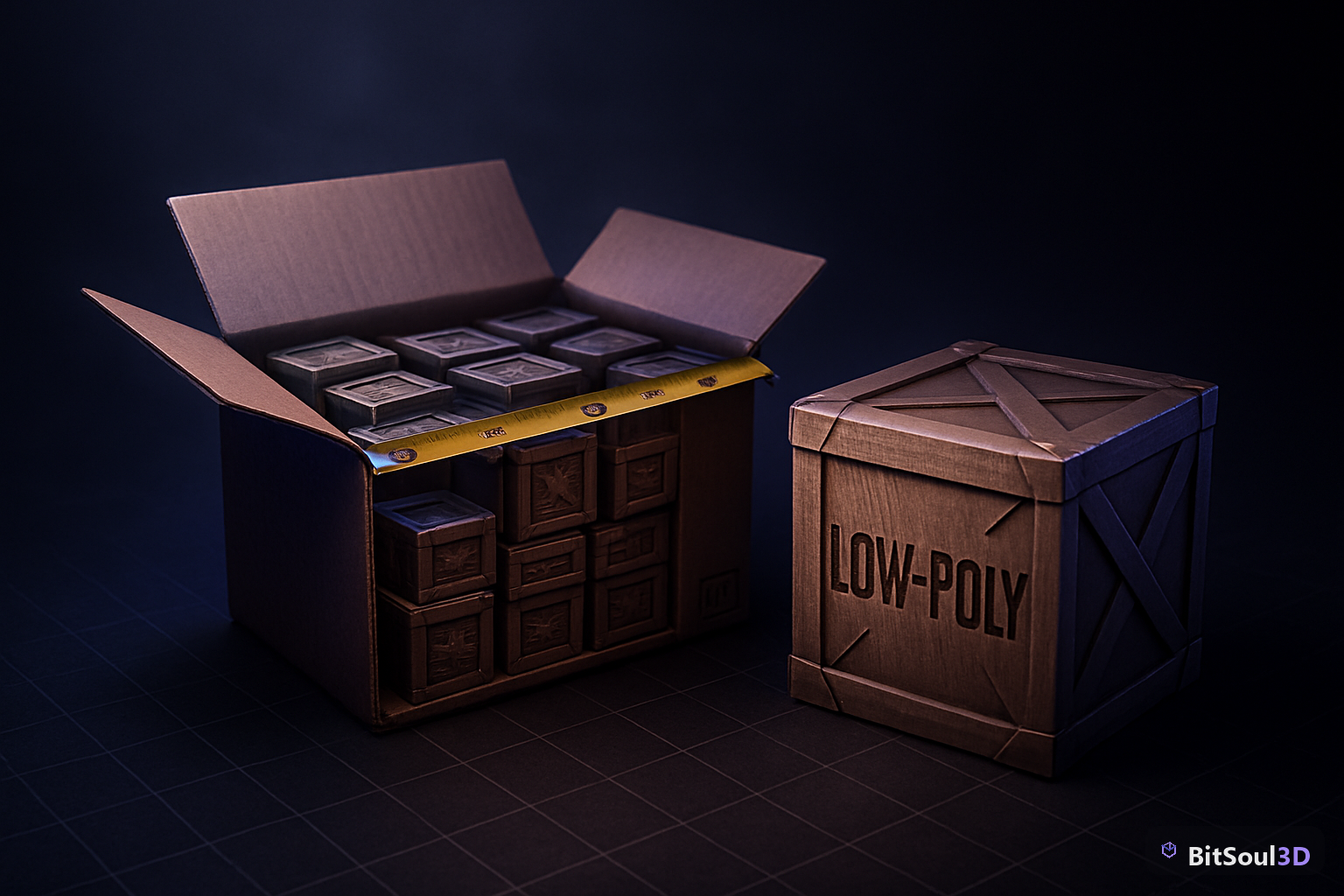
Meta's Game Prototype competition caps entries at a 35MB zip with zero CDN calls. Here's the real asset budget for Three.js, Draco, and GLB models before September 8.
WebGPU hit baseline in every major browser in 2026 and Three.js ships a zero-config WebGPURenderer with WebGL2 fallback from r171. Here's why show-floor hardware at Gamescom week still breaks that fallback, with the…

Fab's second August giveaway (Aug 11-25) includes a free UE5 cabin kit. Here is exactly what breaks moving it to Unity or Godot: Nanite LOD swap on export and a 100x unit scale mismatch, plus the fix for both.
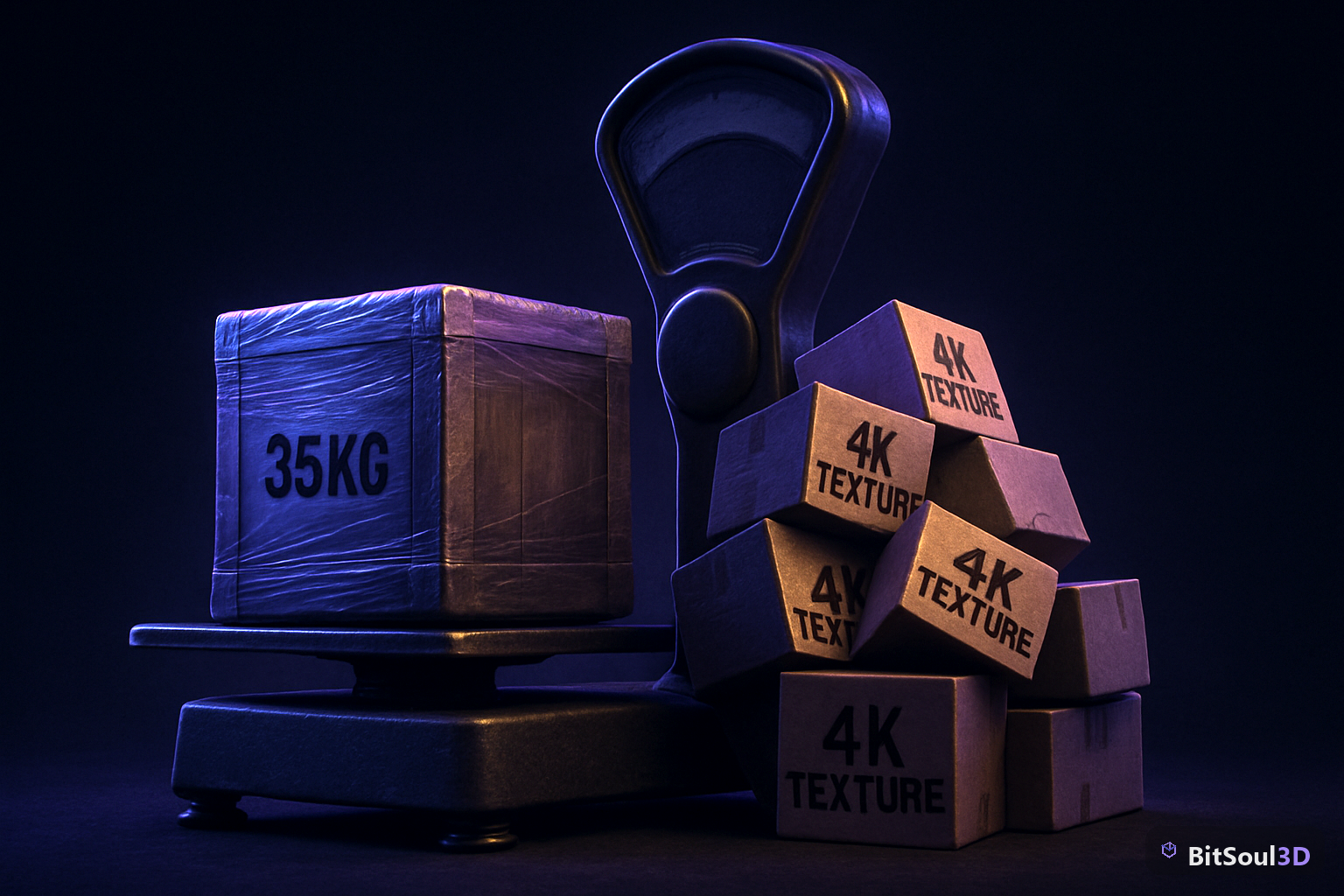
Meta's Horizon Creator Competition caps Three.js prototype submissions at 35MB with zero CDN calls allowed. Here's the compression pipeline and vendoring pattern that fits real 3D props inside that budget.

Unity's Enable GPU Instancing checkbox is a no-op under URP once the SRP Batcher claims the draw path. Here's why free GLB props import that way, when instancing actually wins, and how to force it with…
Blender 5.2 LTS shipped July 14, 2026 as the first LTS of the 5.x line: EEVEE instancing is up to 2x faster and the Python API held steady, but a renamed Geometry Nodes menu and new Cycles X defaults will catch…
Khronos announced glTF 2.1 on June 11, 2026 — a 64-bit GLB format, embedded thumbnails, and multi-file scene composition. Here's what's confirmed, what's still a proposal, and what actually changes in your export…

Godot 4.5 and 4.6 can rename GLB nodes and silently drop their materials on reimport - a naming_version regression tracked on Godot's own issue tracker. Here's the exact Advanced Import Settings fix, plus the…

Three.js GLTFLoader silently fails with Draco or KTX2 compressed GLBs. Here is the exact loader setup — decoder paths, detectSupport, AnimationMixer, and memory disposal — to load any production GLB correctly.
Blender 5.0 promoted glTF to its recommended static asset format — here are the exact export settings for clean GLB import into Unity, Unreal Engine 5, and Godot 4.
Godot 4.7 dropped June 18 with a new integrated Asset Store — here's how to source free GLB 3D models that import cleanly and go game-ready in minutes.
Encapsulate PBR shader logic into reusable Material Functions in UE5 — cut node duplication, speed up iteration, and keep your entire asset library consistent.
Lumen transforms how 3D game environments look — but only if your assets and project settings are configured correctly. Here's the complete setup guide.
Stop duplicating materials in UE5. Learn how to build Master Materials, create instances, and swap parameters at runtime using Dynamic Material Instances and Blueprint.

Automate multi-asset GLB export from Blender using a Python script that processes entire collections, applies transforms, and drops files into engine-ready folders.

Learn how to convert free GLB models into Nanite-ready meshes for Unreal Engine 5: triangle limits, material constraints, and import settings that actually work.
Realistic polygon count budgets for game assets on mobile, VR, and PC — per-platform triangle baselines, where to spend detail, and how to enforce limits.
Shader LODs cut GPU overdraw on mid-range and mobile hardware by replacing complex PBR materials with cheaper alternatives beyond a distance threshold in Godot 4.
Master Virtual Shadow Maps, ray-traced shadows, and CSM in Unreal Engine 5. Learn tuning strategies, console vars, and performance budgeting for 60fps games.
Godot 4's import pipeline gives you fine-grained control over every GLB asset — here's how to cut memory, reduce draw calls, and eliminate runtime stutter.
Master multi-channel PBR texture baking in Blender. Learn to bake AO, roughness, metallic, and emission maps that work perfectly in Unity, Unreal, and Godot.
World Partition replaces the old level streaming model in UE5. Here's how to set it up, organize assets, and debug runtime performance like a pro.
Master UE5 texture streaming: set pool budgets, diagnose hitches with the Streaming Analyzer, and optimize assets for smooth runtime memory.
Master UE5 Material LODs, PSO caching, and Dynamic Material Instances to eliminate shader stutters and cut GPU overdraw in your game.

Channel packing fits multiple PBR maps into one texture—cut draw calls, slash VRAM, and ship faster. Here's exactly how to do it.
Master hard surface modeling in Blender with this step-by-step workflow from blockout to export for production-quality game props in Unity and Unreal Engine 5.
Occlusion culling can double your FPS by skipping geometry the camera never sees. Here's how to set it up correctly in Unity, UE5, and Godot 4.

Master reusable VFX assets with Unity VFX Graph, Unreal Niagara, and Godot GPUParticles3D — cut dev time and ship polished effects fast.
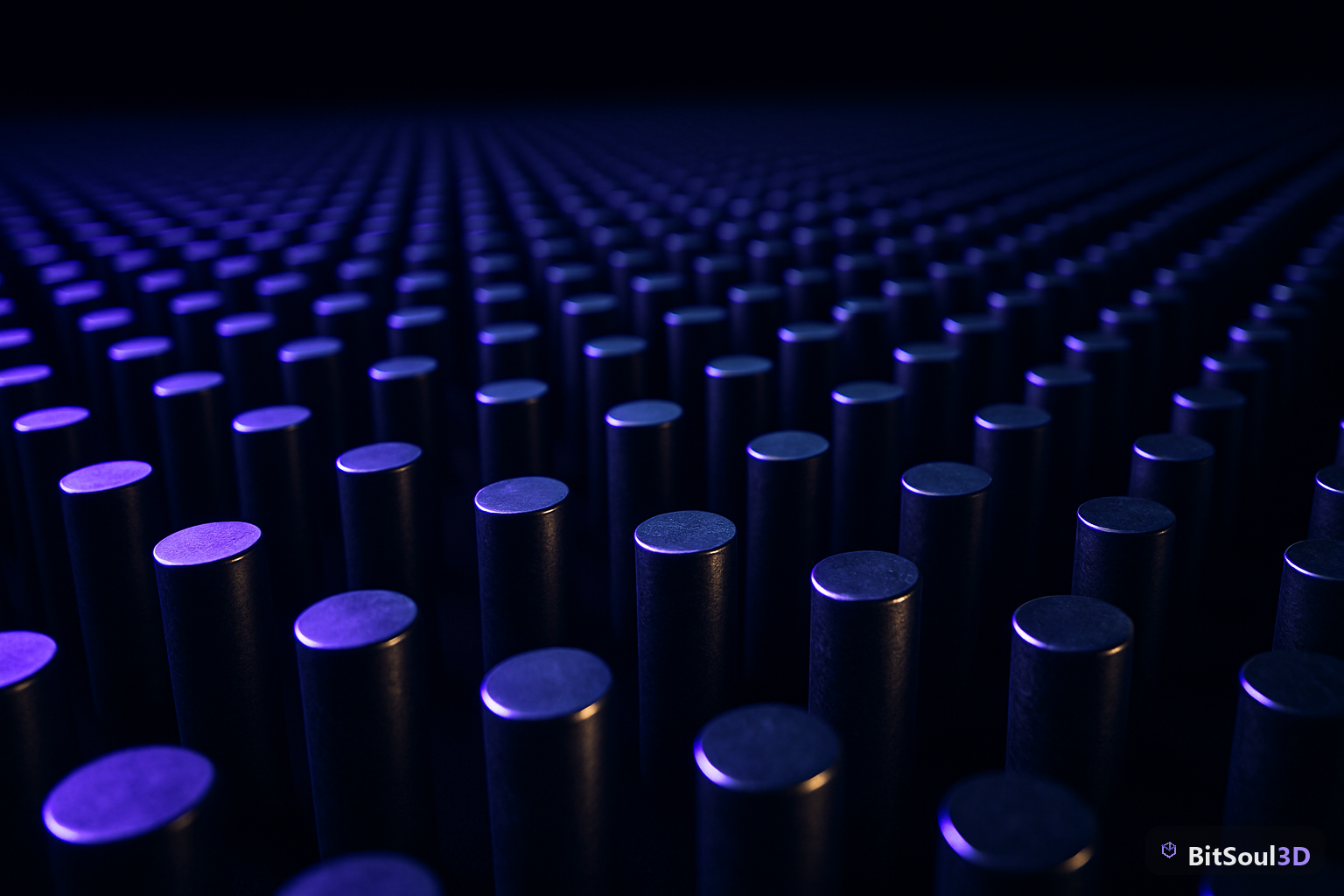
Learn how GPU instancing and draw call batching work, why they matter, and how to apply them to your 3D assets in Unity and Unreal Engine 5.
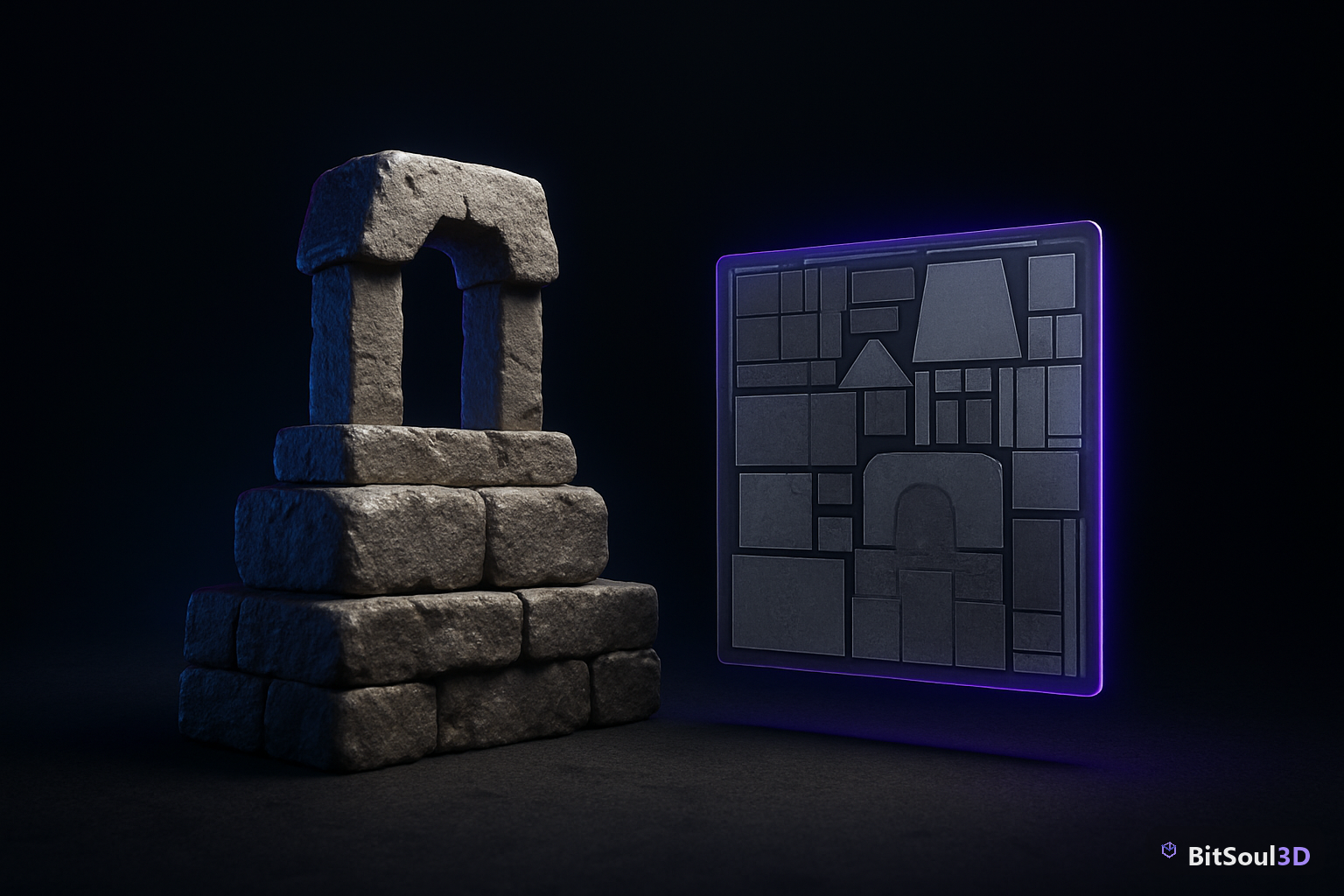
Bad lighting destroys great 3D assets. Master Blender's light baking, HDRI setup, and lightmap workflows to ship assets that look stunning in Unity, Unreal, and Godot.