Material Functions in Unreal Engine 5: Reusable PBR Shader Logic
Encapsulate PBR shader logic into reusable Material Functions in UE5 — cut node duplication, speed up iteration, and keep your entire asset library consistent.
31 articles tagged unreal. Tutorials and workflow notes for 3D artists shipping game-ready assets to Unity, Unreal Engine 5, Godot 4, and Blender.
Encapsulate PBR shader logic into reusable Material Functions in UE5 — cut node duplication, speed up iteration, and keep your entire asset library consistent.
Virtual Shadow Maps replace UE5's legacy cascaded system with per-page dynamic resolution — but only if your 3D assets are prepared correctly for the new pipeline.
UE5 texture streaming controls which textures stay in GPU memory — configure the pool size, diagnose budget overflows, and optimize your GLB assets before they stream.
Parallax occlusion mapping in UE5 lets a single flat quad simulate deep surface relief — here's the complete material graph setup and performance tuning workflow.
Before you drop a GLB into Unity or UE5, run these geometry, UV, texturing, and export quality gates to catch issues that cost hours to fix in-engine.
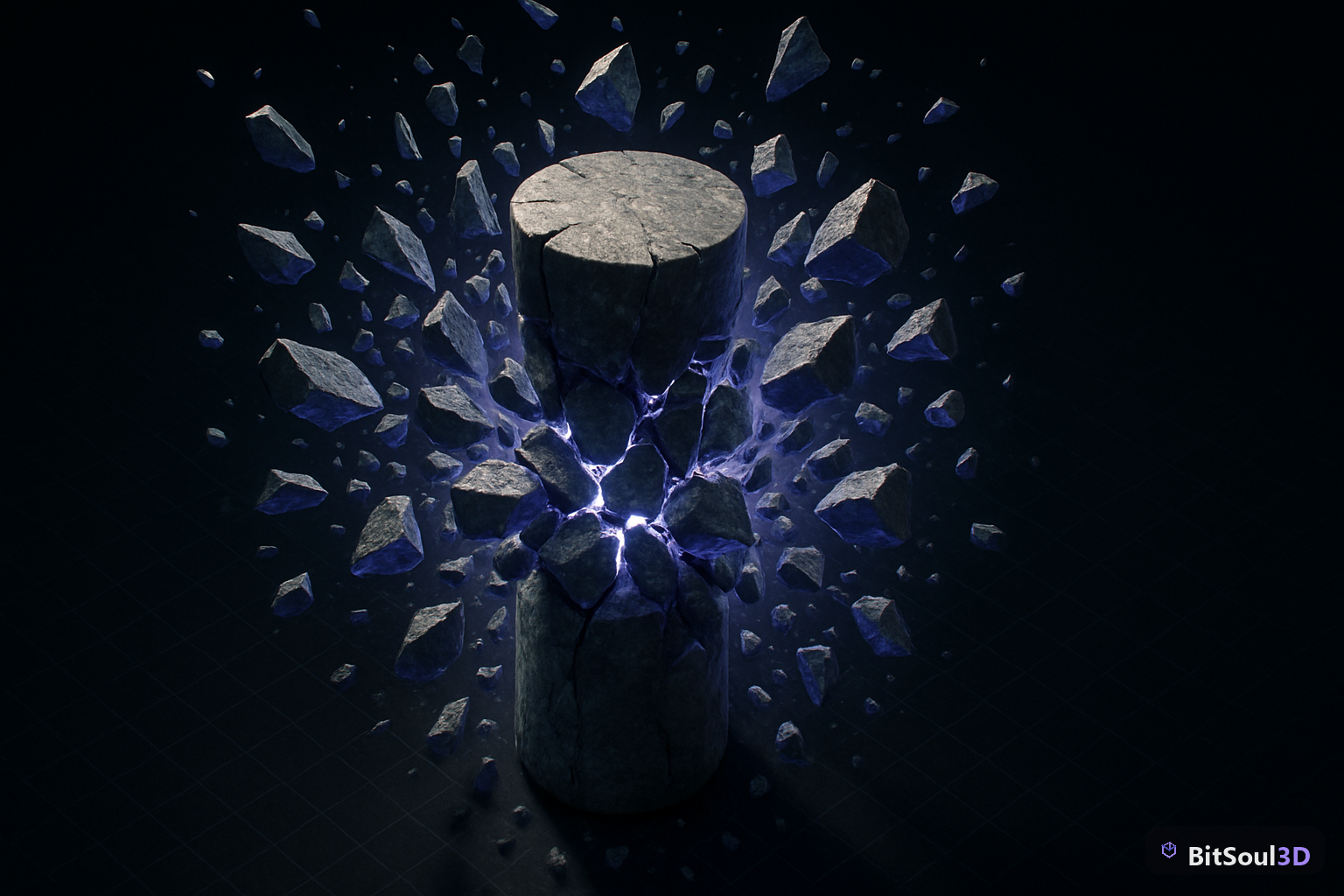
Chaos Destruction in UE5 lets you fracture any static mesh prop into physically accurate shards — full setup, Field System, and performance budget workflow.
Scatter hundreds of identical props in UE5 without tanking your frame rate — here's how to pick between ISM, HISM, and ISMC and set them up correctly.
Runtime Virtual Textures let UE5 projects blend landscape and mesh materials seamlessly — here's how to set them up and avoid the performance traps.

Meta Quest 3 runs on mobile silicon — master polygon limits, draw call targets, and ASTC texture compression to ship performant standalone VR games.
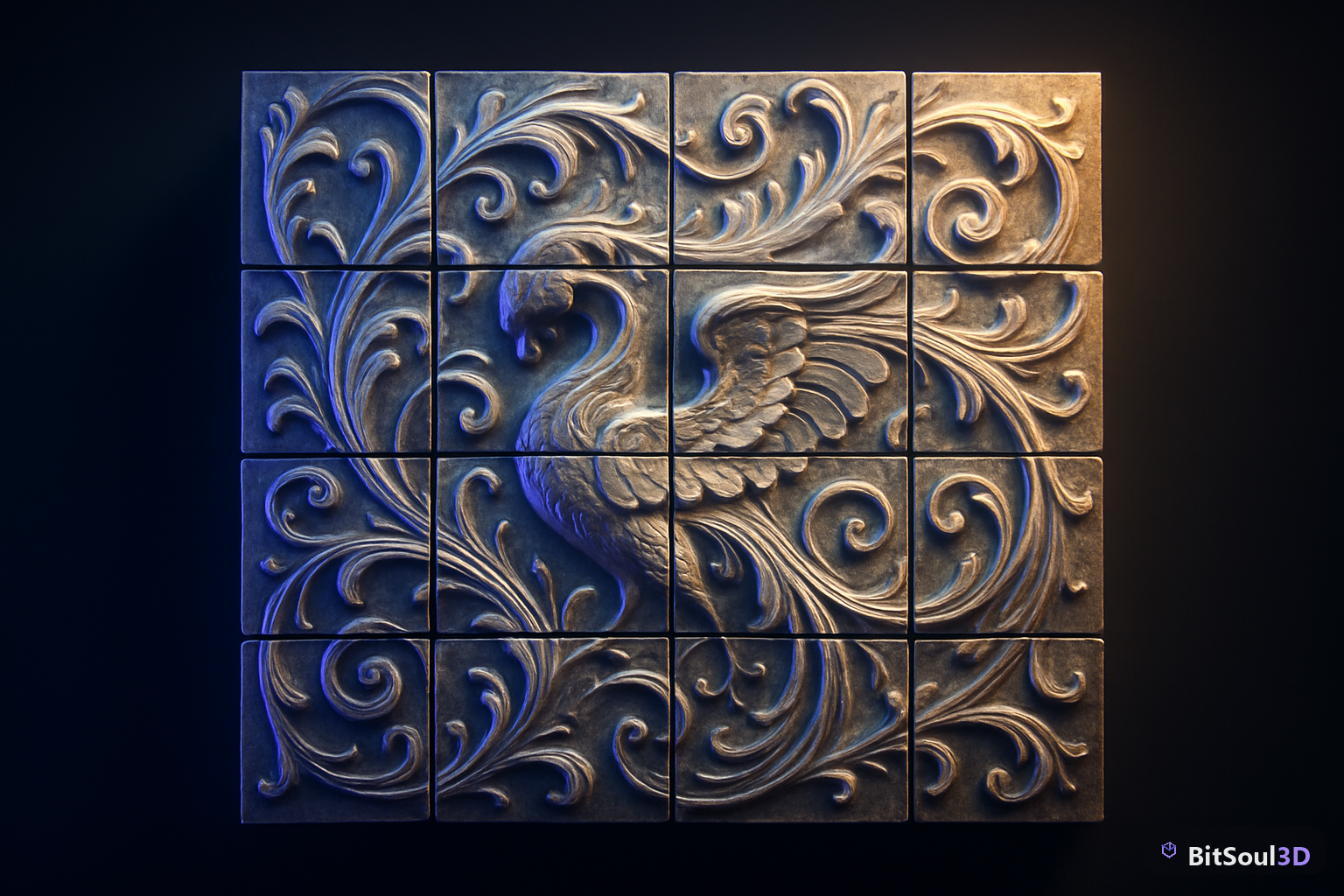
UDIM UV workflows let game artists texture complex assets with multiple high-res tiles — set them up in Blender, bake them, and export to Unity and Unreal Engine 5.
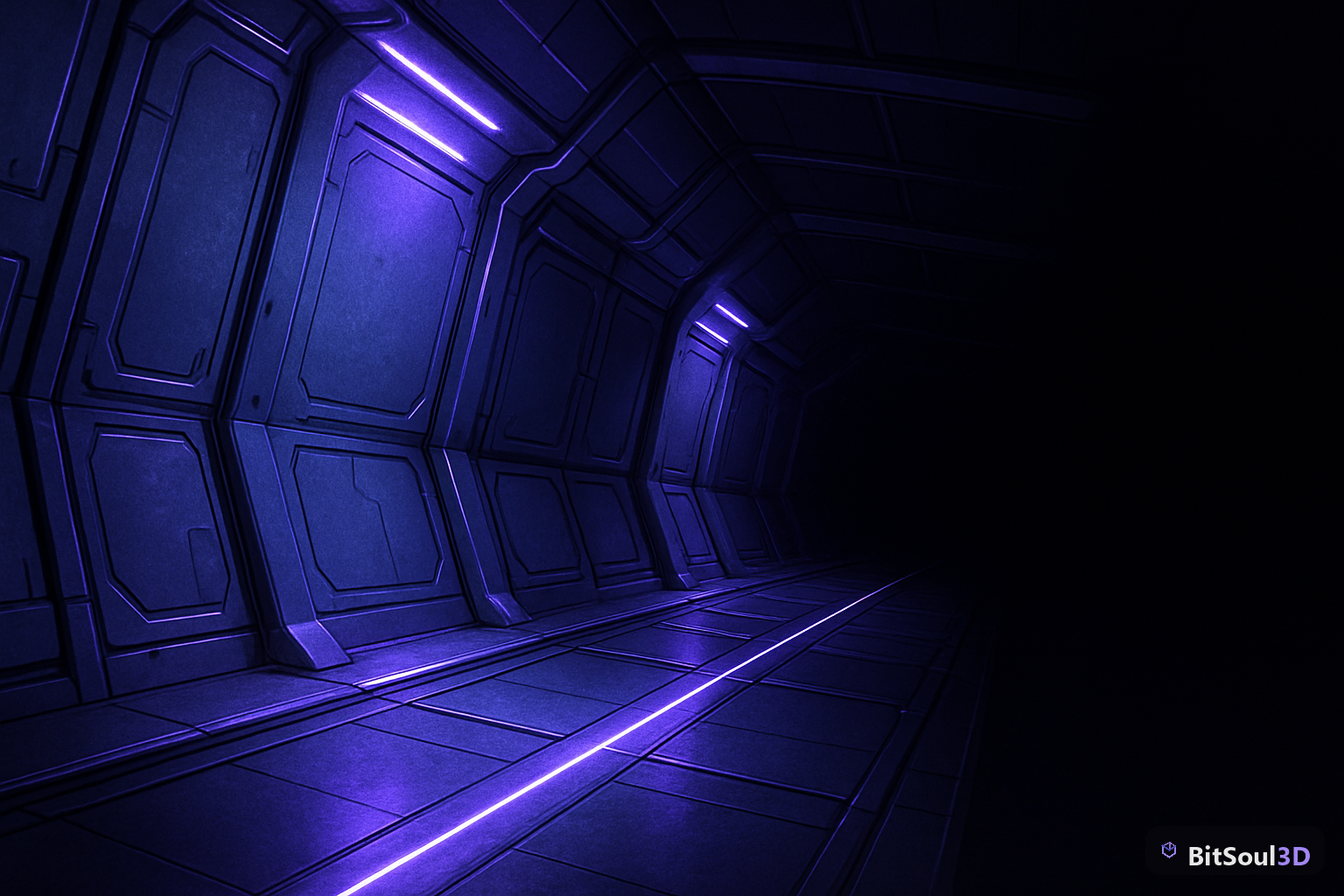
Picking free 3D sci-fi corridor assets takes more than a polygon count — here's how to evaluate geometry, PBR maps, and get them into Unreal Engine 5.
Fourteen free Blender add-ons every game artist should install — UV mapping, mesh cleanup, PBR baking, and engine bridges for Unity, Unreal Engine 5, and Godot 4.

Substance Designer's procedural node graph generates seamless, tileable PBR textures — here's the complete workflow for exporting to Unity, UE5, and Godot 4.
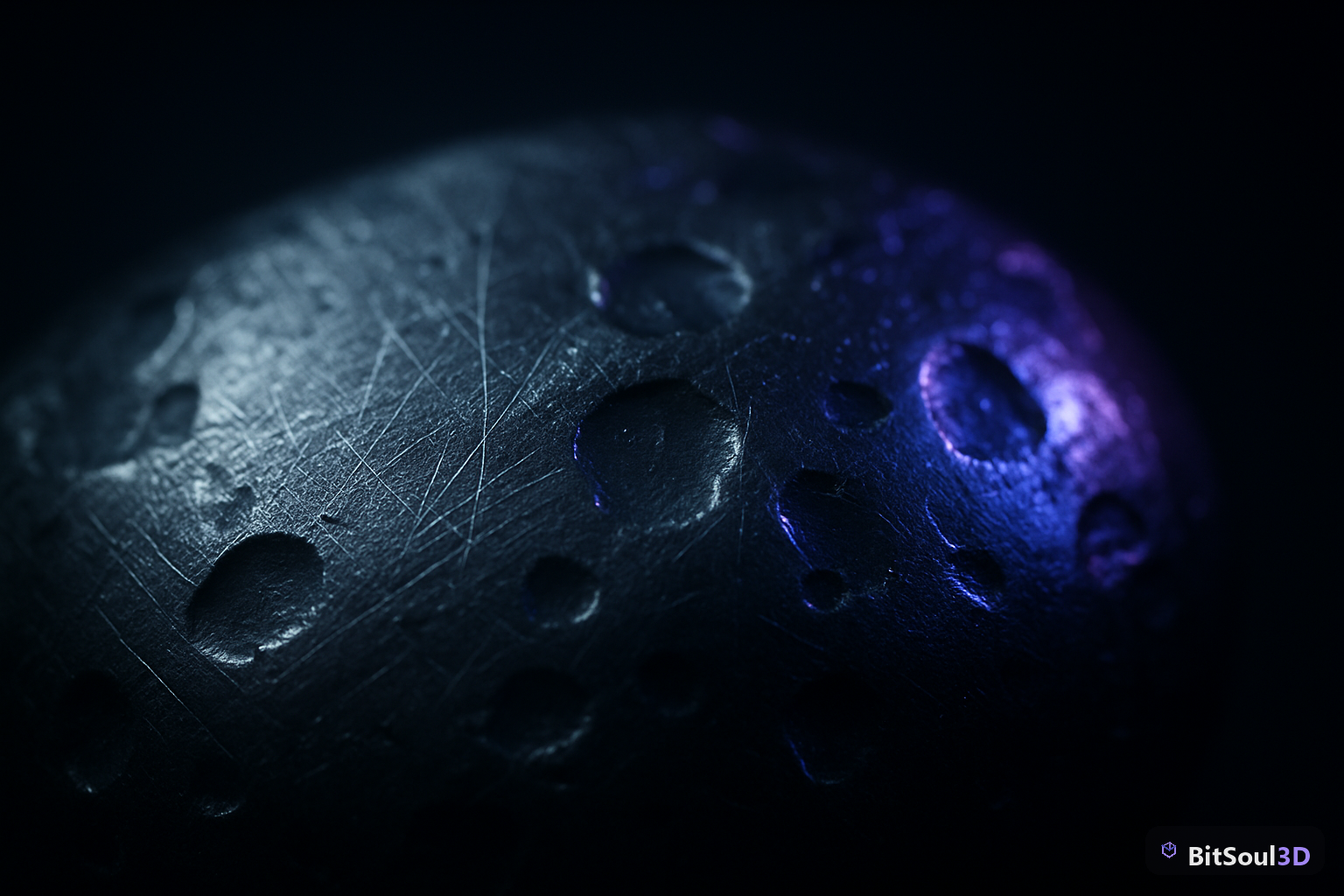
Layer tiling micro-detail onto any UE5 mesh without rebaking — covers BlendAngleCorrectedNormals, tiling scale, and material instance parameters.
Photogrammetry turns real-world objects into game-ready GLB meshes using a phone or DSLR — here's the full pipeline from capture to engine import.

Walk through a complete case study validating a free rigged humanoid GLB from BitSoul — topology audit, LOD chain setup, and engine import steps for Unity, UE5, and Godot 4.
GLTF extensions unlock Draco compression and GPU instancing for game-ready assets — here's what Unity, Unreal Engine 5, and Godot 4 actually support in 2026.
Deferred decals project damage, grime, blood, and insignia onto any UE5 surface without rebaking — full production workflow from material setup to performance tuning.
Pack multiple material sets into one GLB with KHR_materials_variants and switch skins, finishes, or liveries with zero extra draw calls.

Roughness map calibration is the most overlooked PBR step — here’s how to nail real-world values and keep materials consistent across Unity, UE5, and Godot 4.
Learn how to convert free GLB models into Nanite-ready meshes for Unreal Engine 5: triangle limits, material constraints, and import settings that actually work.
Unity VFX Graph, Unreal Niagara, and Godot GPUParticles3D handle particles very differently. This guide covers setup, GPU vs CPU emitters, and how to pick the right system so your VFX runs at 60 fps on mid-range hardware
Discover how to evaluate, download, and import free 3D weapon models into Unity, Unreal Engine 5, and Godot 4 — with quality checks that separate game-ready assets from time sinks.
Wrong texture compression format means wasted VRAM, mobile GPU stalls, or visual artefacts — BC7, ASTC, and ETC2 compared for Unity, Unreal Engine 5, and Godot 4.
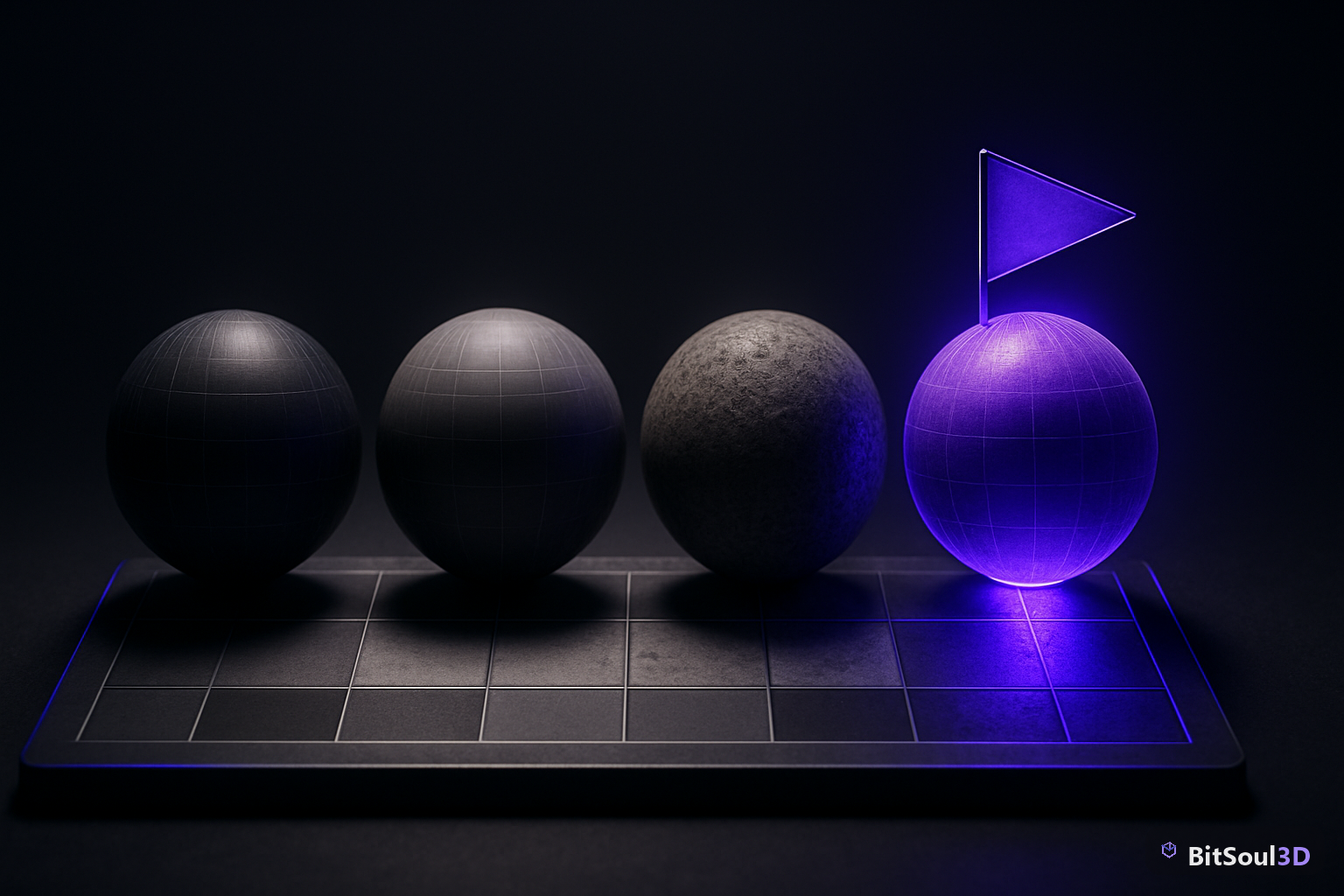
Catch PBR errors before they ship: a practical debugging workflow for albedo, metallic, roughness, and normal maps in Unity URP and Unreal Engine 5.
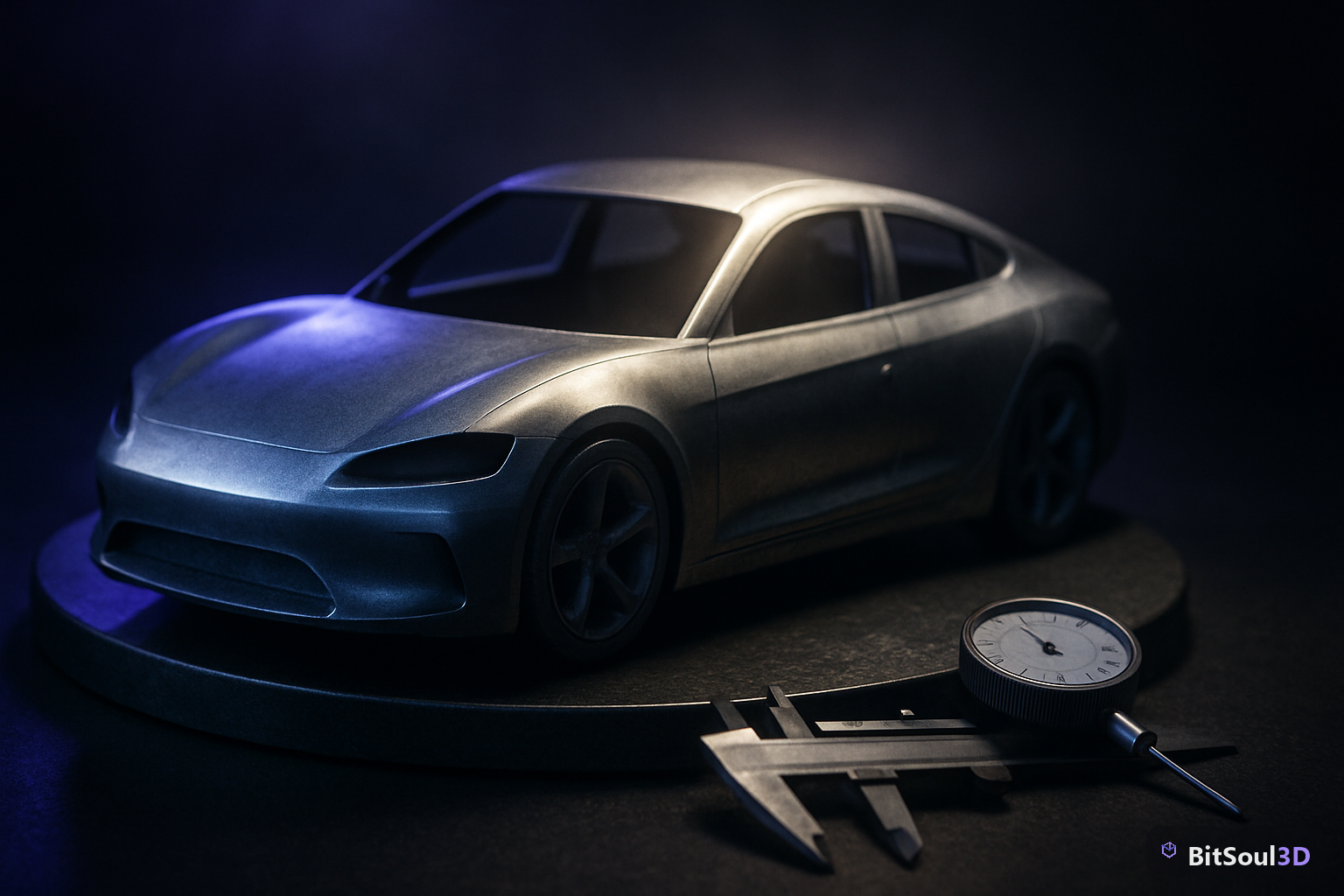
Sourcing free GLB vehicle assets looks simple until you open one and find broken normals, missing LODs, and a single 80k-tri mesh with no collision — here is how to vet, fix, and ship them.
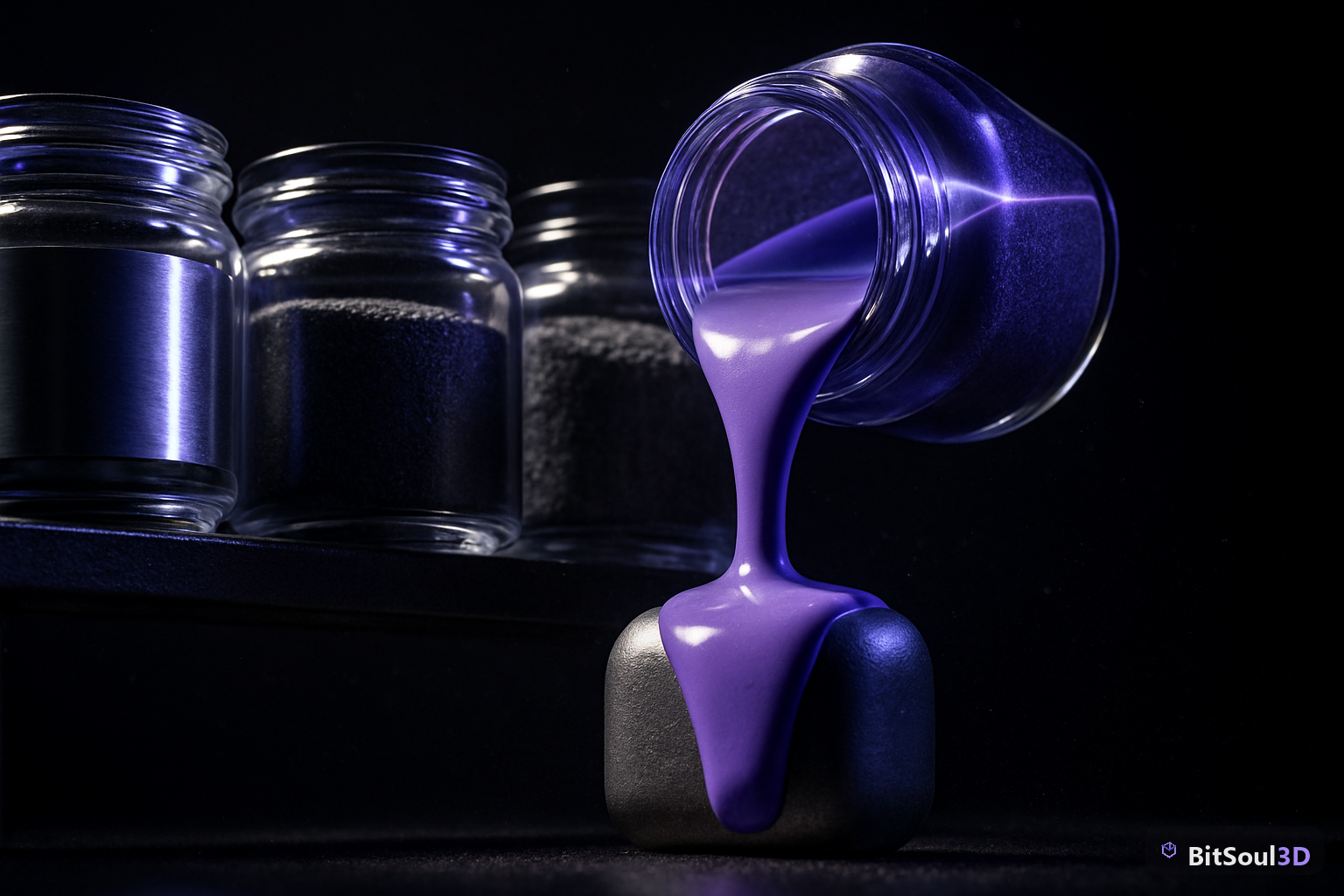
Smart Materials in Substance Painter let you build a reusable PBR texture library that speeds up every asset you ship to Unity, Unreal Engine 5, or Godot 4.
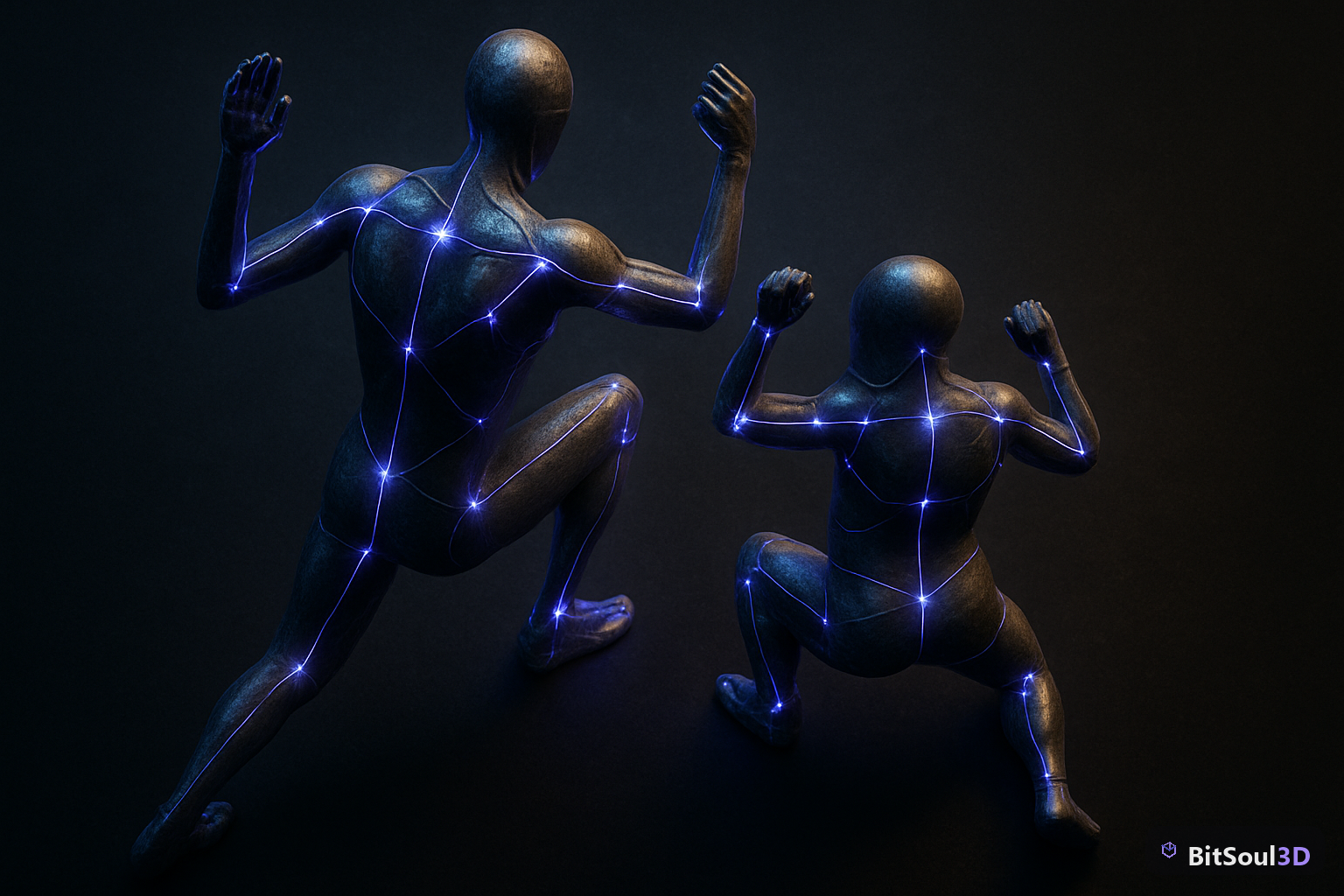
Animation retargeting lets you reuse one humanoid clip on every character: Unity Avatars, UE5's IK Retargeter, and Godot 4 bone maps explained.
Realistic polygon count budgets for game assets on mobile, VR, and PC — per-platform triangle baselines, where to spend detail, and how to enforce limits.

Master UE5 foliage placement using the Foliage Tool and PCG framework, then optimize draw calls, LODs, and cull distances to keep framerates solid in open worlds.

Game-ready assets tank frame rates when texture memory isn't budgeted — set hard limits, audit runtime usage, and hit targets across Unity, Unreal Engine 5, and Godot 4.